Energy saving - Expert commentary

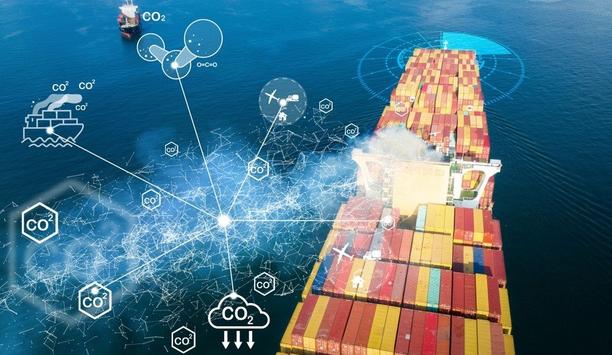
Roughly three percent of the world’s greenhouse gases come from ships, a figure that puts the sector on par with the emissions of entire industrialised nations. Trade volumes keep growing, and if nothing changes, that percentage will climb. The International Maritime Organization has already set a 2050 net-zero target. For operators, shipyards, and ports, the question is not whether change is coming but how fast they can adapt without undermining the economics of global shipping. H...

The offshore energy sector has always been cyclical, but today’s volatility feels different. Inflation, rising capital costs, and shifting forecasts are reshaping both offshore wind and oil and gas, prompting a rethink of how vessel owners, designers, and operators prepare for the decade ahead. While costs have soared, investment has not collapsed. Instead, a new kind of resilience is emerging, built on design flexibility, hybridisation, and system integration. For projects commissioned...

As the maritime industry works to decarbonise, electrification is proving to be one of the most practical and immediate solutions. Wärtsilä’s Torsten Büssow explains how batteries, hybrid propulsion, and alternative fuels together are shaping the fleet of the future. Shipping is entering a decisive phase in its energy transition. Electrification, once confined to pilot projects and short-sea ferries, is now becoming a cornerstone of decarbonisation strategies across the mar...

Marine industry pioneers gathered at Nor-Shipping in June, with a focus on the key challenges and opportunities driving the transition to a lower-carbon future. With regulations such as the Carbon Intensity Indicator (CII), FuelEU Maritime, the EU Emissions Trading System (EU ETS) and the upcoming International Maritime Organisation (IMO) carbon levy, fouling control systems continue to play a vital role in the shipping industry as the regulatory bodies chart a course towards net-zero emissions...
Demand for ammonia is being transformed by the energy transition. Until recently used as an input for fertiliser and chemical products, new markets for green and blue ammonia are emerging, replacing fossil energy in power generation, steel production and marine fuel. Today some 200m tonnes per annum of ammonia is produced worldwide with 20m tpa transported in LPG carriers. The scale of the emerging and potential demand will see these figures rise; how quickly this can be achieved will determine...
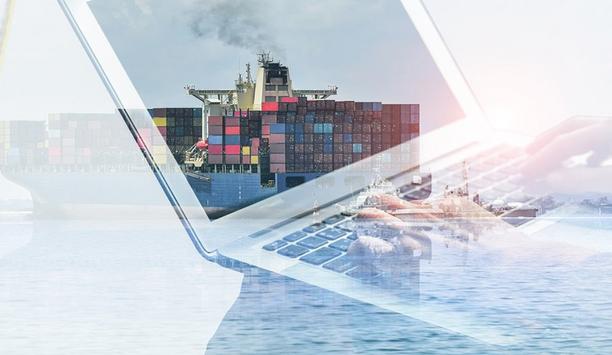
Global transportation networks are becoming increasingly interconnected, with digital systems playing a crucial role in ensuring the smooth operation of ports and supply chains. However, this reliance on technology can also create vulnerabilities, as demonstrated by the recent ransomware attack on Nagoya Port. As Japan's busiest shipping hub, the port's operations were brought to a standstill for two days, highlighting the potential for significant disruption to national economies and supply cha...

Health and safety are key considerations for all maritime organisations, in particular, for those operating in remote locations or where extreme weather conditions may put workforces at greater risk. With COVID-19 here to stay for the foreseeable future, it is vital that shipping organisations consider both the short and long term safeguarding measures, which are required to protect their workers at sea. COVID-19 management plans Establishing safe working conditions and providing onboard exper...

Covering over 70 percent of the Earth’s surface, the oceans are a vital element of our planet’s ecosystem. However, for the millions of vessels that cross them, the aquatic environment can present a problem. Vessels are increasingly using electrical systems to power across oceans, but a component’s design must account for these extreme conditions. Here, David Atkins, project director at marine resistor manufacturer Cressall, investigates offshore resistor design. Importance of...
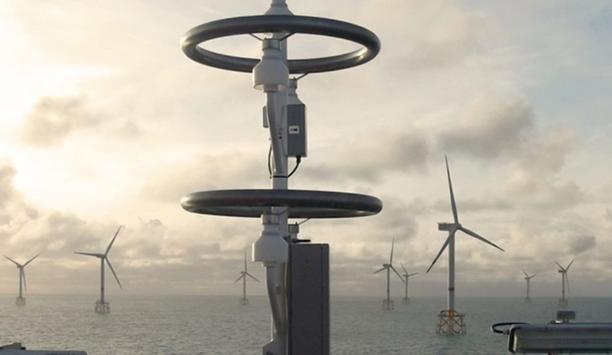
With COP26 just around the corner and a year on from the announcement of the UK Government’s 10 Point Plan, the need to become more carbon neutral is as prominent as ever and is now underway in numerous industries across the world. Frequent severe weather events It’s no secret that the weather is changing, with severe conditions happening more frequently and at pace, with soaring temperatures, storms, flooding and even volcanic eruptions all making headlines on a regular basis. Ho...

Fleet planning as a strategic asset
Download