Energy saving


ClassNK has issued an Approval in Principle (AiP) for the designs of a cable jointing vessel and a cable burial vessel developed by Mitsui O.S.K. Lines, Ltd. The certification demonstrates its feasibility from regulatory and safety perspectives. In Japan, the expansion of wind power generation utilising offshore areas and surrounding islands with favourable wind conditions and relatively limited site constraints is expected as part of efforts to increase the share of renewable energy. Reinforc...

ABB has collected its ‘Generations’ articles for 2025 into a single publication to offer an overview of insights and perspectives on energy efficiency and digitalisation in a pivotal year for maritime decarbonisation. Generations 2025 explores how market imperatives, research, technology developments, and regulatory decisions have shaped both opportunities and challenges for maritime stakeholders, as the global industry strives toward a green transition. Latest developments i...

Anemoi Marine Technologies, the UK-based pioneering designer of Rotor Sails for wind-assisted ship propulsion, is to install Rotor Sails on two newbuild chemical tankers under construction for Union Maritime Limited. The 18,500 DWT vessels, to be built by Wuhu Shipyard Co in China, will feature a combination of technologies and retrofit readiness to safeguard cost-effective decarbonisation across their lifecycle. The Rotor Sails are set to be installed at Wuhu in early 2026 after construction a...

JLA Media Ltd has rebranded as JLA Communication and responded to growing demand to offer reputation management to maritime, offshore and logistics executives by adding JLA Reputation to its portfolio of services. Brought to market by the pioneering team of PR and communications professionals in the sector, JLA Reputation offers full consultative services for industry pioneers. Focusing on the opportunities and challenges individuals face in their public and media engagement...

Kongsberg Maritime has announced the introduction of two new sizes to its popular UUC PM (Underwater Mountable, Permanent Magnet) azimuth thruster range, expanding its offering for high-efficiency propulsion solutions for demanding offshore and marine operations. The new additions to the UUC PM 405 model include units with 3.8m and 4.1m propeller diameters, delivering 86 and 91 metric tons of thrust, respectively. Evolving offshore energy sectors Kongsberg Maritime is also preparing to extend...

Demonstrating a significant advance in South Korea’s strategy for maritime decarbonisation, Busan Port Authority (BPA) has officially launched the first state-owned all-electric ferry, with the end-to-end electric power and propulsion system supplied by ABB.Built by Busan’s Kangnam Corporation, the new passenger ferry is the first realisation by South Korean authorities of their plan to replace 140 state-owned assets with ships running on cleaner energy sources by 20301, in line with...
News

In a move set to accelerate the future of marine electrification, EVE Energy, and Green Whale Technology (GWT) have signed a strategic partnership agreement to provide high-performance marine Battery Energy Storage Solutions (BESS) and service to customers worldwide. This collaboration combines EVE Energy’s advanced lithium marine battery system technology, and GWT’s marine engineering, lifecycle service and commissioning expertise. Marine energy storage Note that EVE Energy and GWT have already delivered the first BV-classed marine battery container ever built in Asia within record time. Now, both parties step up their collaboration with a shared vision: to make marine energy storage more affordable, more reliable, and safer - and to get closer to the customer. The strategic agreement is structured as a back-to-back partnership, ensuring comprehensive support from EVE Energy across all aspects of the collaboration. EVE’s active balancing technology Second, the high C-rate maritime battery market was long dominated by NMC cell-based systems In practice, both the new BESS and the joint way of working feature several eye-catching characteristics: First, thanks to EVE’s active balancing technology, these systems deliver a lifetime of up to 15 years, surpassing any LFP systems in the market today, and significantly reducing total cost of ownership. Second, the high C-rate maritime battery market was long dominated by NMC cell-based systems. EVE, however, is currently the only supplier in the world offering 3C continuous LFP marine batteries, offering a longer lifetime than NMC-based system in many application scenarios. Third, the alliance’s massive production capability, advanced Lithium Iron Phosphate (LFP) chemistry technology, maritime experience, cost advantages, data safety, and global service capacity shows this solution’s potential to be a game-changer in the market. Trust and seamless collaboration Godfrey Wang, CEO of Green Whale Technology B.V., states: “GWT is very proud of this partnership, especially because we are a young company." "This really strengthens our ability to provide lifecycle solutions to global customers. I would like to thank the entire EVE team for their trust and seamless collaboration, and we look forward to growing together.” Europe-based cloud services and spare parts Spare parts storage in Norway and the Netherlands further strengthens timely after-sales support To support customers globally, and with higher standards, Green Whale Technology is establishing an NL-based cloud service platform, guaranteeing local data compliance, digital security, and mitigating geopolitical risks. Spare parts storage in Norway and the Netherlands further strengthen timely after-sales support, while joint R&D initiatives promise continued innovation. Production capacity and cost As one of the world’s largest battery manufacturers (cells and systems), EVE Energy leverages its huge ESS system factory capacity of over 10 MWh per day to ensure scalability and timely delivery. In addition, the 3C marine battery system is priced below USD 300 per kWh, which is unique in the current market. In conclusion, EVE Energy’s Head of Marine & Port, Yong Cong Xiong says: “By collaborating on all the key elements in BESS development, manufacturing, delivery and service, we aim to ensure that customers receive the best available battery technology, backed by global support throughout the product lifecycle of our systems." "We are very proud that we can now extend the system’s lifetime to 15 years with an experienced local service provider, GWT, and look forward to seeing them deployed in the maritime markets.”

A new report, released now, has found that adopting methanol as the primary fuel for voyages between the Port of Tyne, Newcastle and Port of IJmuiden, Amsterdam could avoid up to £420 million in future regulatory costs and deliver an 80% reduction in greenhouse gas (GHG) emissions. Green shipping corridors are specific routes where vessels use low-emission propulsion. The study, led by Ricardo, an environmental, energy and engineering consultancy and world pioneers in maritime decarbonisation, assessed the technical and commercial feasibility of introducing a green shipping corridor between Newcastle and Amsterdam. Alternative future fuels for vessels Looking at the potential of both methanol and onshore power supply as alternative future fuels for vessels operating between the busy ports, the study found significant reductions in emissions with the adoption of methanol, reducing GHG by 70%, and onshore power supply, reducing GHG by an additional 10-15%. Battery storage could also be adopted to support energy demand. The study also found significant financial savings, primarily through avoided regulatory penalties, which would help to offset any needed investment in new technology. Primary ferry operator The report’s findings were validated by the primary ferry operator between the ports, DFDS’ own internal analysis, which supported the economic feasibility of transitioning the Tyne- IJmuiden route to alternative fuels. DFDS plans to invest in alternative fuel-powered vessels for the corridor. Ricardo Maritime Sustainable Transport Consultant, Matt Moss, said: “Green shipping corridors represent a viable alternative to traditional carbon-heavy fuels, in an industry that is considered hard to decarbonise. The Port of Tyne – Port of IJmuiden route is not only a suitable candidate for the world’s first green shipping corridor but will also inform similar projects throughout Europe.” Net zero port operation Port of Tyne CEO, Matt Beeton, welcomed the study’s results as another important step toward establishing a North Sea green shipping corridor: "We have a vision to achieve a net zero port operation, supported by an e-fuels hub, alongside a thriving ferry route to the continent for both passengers and freight." "The transition to a cleaner future will only happen through genuine collaboration right across the maritime value chain. This report’s findings give us confidence that green shipping is within reach and that the North East can be at the forefront of the change." Green shipping corridors Zeehaven Ijmuiden N.V. - Port of IJmuiden CEO, Tjeerd van der Voorn, said: “Transforming the Tyne–IJmuiden route into one of the world’s first green shipping corridors fits seamlessly with our ambition to develop Energy Port IJmuiden." "This project has strengthened collaboration across ports, operators, engineers and public bodies, and the support of Innovate UK and the Netherlands Enterprise Agency has been instrumental. With methanol-powered vessels and onshore power, we are taking a decisive step toward a cleaner, future-ready North Sea connection.” Investing in new vessels DFDS Amsterdam-Newcastle Route Manager, Teun-Wim Leene, said: “Our ambition is to decarbonise maritime transport along the Amsterdam–Newcastle corridor. This includes investing in new vessels and collaborating with partners to accelerate infrastructure development and the production of low-emission fuels which is crucial for a successful transition.” The Port of Tyne – Port of IJmuiden study was part-funded by the UK Government's maritime decarbonisation project programme UK SHORE, which aims to reduce emissions, fuel innovation and create new jobs in the industry.

BYD Energy Storage, a pioneer in the energy storage sector, and Corvus Energy AS (Corvus), the market pioneer in marine energy storage systems (ESS), have now announced the signing of a Memorandum of Understanding (MoU) to establish a strategic collaboration aimed at advancing next-generation battery solutions for the maritime sector. The MoU strengthens the cooperative relationship between the two companies by combining BYD Energy Storage’s scale and technological leadership in LFP batteries with Corvus Energy’s unparalleled expertise in marine ESS applications. Together, BYD Energy Storage and Corvus will work to accelerate product development, enhance global market reach, and deliver innovative, safe, and high-efficiency energy storage solutions for the global shipping industry. Marine battery installations “This MoU represents a significant step forward in our ambition to remain the market leader in high-quality marine battery systems,” said Ole Jacob Irgens, Head of EMEA and Asia at Corvus Energy. “By combining Corvus’ deep maritime understanding and extensive experience in marine battery installations with BYD Energy Storage’s scalability, innovation in LFP technology, and strong global supply chain, we are well-positioned to bring new products to market faster and meet the evolving needs of the shipping industry.” Adoption of marine energy storage systems As part of the agreement, BYD Energy Storage and Corvus Energy will aim to coordinate global market activities to accelerate the adoption of marine energy storage systems and support the shipping industry’s transition toward cleaner, more sustainable operations. Corvus Energy will serve as the ESS System Partner and Route-to-Market Partner, leveraging its proven expertise in system integration and its strong customer relationships worldwide.

bound4blue, a pioneer in wind propulsion systems, has closed a US$44 million funding round backed by pioneering maritime corporates, ship owning families, climate-focused investors and government capital. The round was led by OCTAVE Capital, an investment platform affiliated with major shipowner: IMC, and Katapult Ocean. The round brings together new investors, including Motion Ventures, Odfjell family office and ReOcean Fund - led by the Prince Albert II of Monaco Foundation and Monaco Asset Management - alongside existing investors Shift4Good, GTT Strategic Ventures, KAI Capital and CDTI (Innvierte SICC), who strengthened their commitment to the company. Advance new developments “This round signals a new phase for bound4blue. Earlier stages focused on proving the technology and validating its impact; now this new capital reinforces the long-term backing we already have from investors who understand shipping and share our industrial vision and the role this technology will play across the fleet,” said José Miguel Bermúdez, CEO & Co-Founder of bound4blue. “This funding enables us to expand capacity, accelerate our growth roadmap and advance new developments that will elevate both the technology and our services to the next level. It confirms that bound4blue is built on solid foundations and positioned for sustained global deployment,” he added. Full industrialisation of suction sails The investment underscores a growing industry consensus: suction sails are emerging as the leading pathway for immediate, scalable decarbonisation across the global fleet with commercial gains. The new funding will accelerate bound4blue’s shift into full industrialisation of suction sails and support efforts to deepen R&D as the company looks to grow beyond existing commercial offerings. The company is also responding to increased market demand by expanding manufacturing capacity to supply hundreds of suction sails annually. Impact bound4blue’s systems Operational data continues to confirm the scale of impact bound4blue’s systems have had across several fleets. The company has already installed its technology on seven vessels, with a further twelve ships in the orderbook - representing more than fifty sails in total. These projects span pioneering owners such as Maersk Tankers, Eastern Pacific Shipping, Odfjell, Klaveness Combination Carriers and BW Epic Kosan, reinforcing bound4blue’s position as a preferred partner for forward-thinking players across the sector. By 2027, the company is expected to deliver annual CO₂ savings of more than 400,000 tons, with over 570,000 tons avoided in total between 2024 and 2027 - the equivalent of removing around 87,000 passenger cars from the road each year, planting more than 18 million trees, or avoiding over 250,000 transatlantic flights. This will be done through parallel production lines in Spain and China, enabling higher production throughput, stronger supply-chain resilience and faster delivery schedules. Long-dated fuel transitions May Liew, Chief Executive Officer at OCTAVE Capital, said: “We invested in bound4blue because wind propulsion systems have moved from promising innovation to proven, scalable climate infrastructure. For the maritime sector, where long-dated fuel transitions remain critical but still years from wide-scale adoption, this technology provides the real and immediate carbon emissions reductions needed right now." " With bound4blue industrialising production across both Europe and Asia, the team is well positioned it to lead the category worldwide. As an impact-driven investor with an interest in decarbonising hard-to-abate sectors, we believe bound4blue will play a critical role in accelerating shipping’s transition while delivering measurable carbon savings from day one.” Bound4blue as wind propulsion Jonas Skattum Svegaarden, CEO at Katapult Ocean, added: “After years of looking for the right opportunity in this space, we were driven to invest in bound4blue as wind propulsion has clearly shifted from experimental concept to bankable decarbonisation tool, and bound4blue in particular has proven it can deliver meaningful, verifiable fuel and emissions reductions at a category-defining pace." "As the team scales into Asia and deepens partnerships with pioneering shipowners, we’re confident that their combination of technical performance, commercial traction, and global supply chain ambition will make bound4blue a cornerstone solution in the transition to a cleaner, more resilient ocean economy.” Bound4blue’s suction sails By generating additional thrust from wind power, bound4blue’s suction sails ‘eSAILs®’ reduce engine loads and fuel consumption, cutting vessel operating costs (with double-digit savings) and CO₂ emissions. This greatly improves regulatory performance under frameworks like CII, EEXI/EEDI, FuelEU Maritime and EU ETS. Independently verified results demonstrate consistent, tangible impact in service. On Ville de Bordeaux, third-party assessments reported daily fuel savings of 1.7 tonnes, with peaks reaching 5.4 tonnes. Separately, on Odfjell’s Bow Olympus, the system delivered average fuel-saving of 15-20%, with voyage-leg peaks of up to 40% reductions during its first transatlantic voyage. Verified under full operational conditions, bound4blue’s suction sails are delivering real savings now on vessels trading globally. Efficiency upgrades before 2030 The maritime industry is entering what many describe as the “retrofit decade”, with tens of thousands of vessels requiring efficiency upgrades before 2030. Unlike alternative fuels, which face long timelines for global availability, engine compatibility and bunkering infrastructure, suction sails can be installed now, on the ships, operated by the crews. The technology is also increasingly being incorporated into newbuild designs, where it offers an additional long-term lever to reduce fuel consumption and carbon exposure from day one. This position bound4blue to support both the large retrofit wave already underway and the growing number of newbuild projects integrating wind propulsion from the outset.

Kongsberg Maritime has signed a major contract with Sea1 Offshore to deliver Launch and Recovery Systems (LARS) for the company’s four new offshore construction vessels. Each vessel will be equipped with two advanced LARS units, supporting subsea construction and ROV operations. The scope of supply per vessel includes two telescopic A-frames, fully electrical umbilical winches, energy-efficient hydraulic power units, and a dedicated control system. Each system offers a safe working load of 15 tonnes (vehicle dry weight) and winch cable capacity of 4,500 metres, ensuring robust performance for deep-water operations. Reliable and efficient systems Kongsberg Maritime is a trusted partner for offshore handling solutions, with decades of experience delivering reliable and efficient systems to the global market. This contract reinforces the company’s position as a leading provider of technology that ensures safe and sustainable operations for demanding offshore environments. “The award of this contract demonstrates our renewed commitment to delivering world-class handling solutions for the offshore industry,” said Ingar Hovden, Sales Manager, Kongsberg Maritime. “Our LARS technology combines proven engineering with modern efficiency features, helping operators achieve safe and sustainable operations.” Kongsberg Maritime’s LARS solutions Andreas Kjøl, CCO of Sea1 Offshore, added: “We are confident those state-of-the-art WROV Launch and Recovery Systems will give us market-pioneering operability in harsh environment operations with the equipment fully integrated to the vessels’ power electric and energy storage systems.” Kongsberg Maritime’s LARS solutions deliver a wide range of benefits that enhance operational safety and efficiency. They provide controlled launch and recovery even in challenging sea states, reducing risk and improving reliability. Inclusion of hydraulic power units The systems are designed with a compact and modular approach, making them easy to integrate on different vessel types while maintaining high durability and minimising downtime. Operators benefit from optimised handling for ROVs and subsea equipment, ensuring smooth and efficient missions. Environmental performance is also a key advantage. The inclusion of hydraulic power units with frequency control reduces emissions and energy consumption, supporting sustainability goals without compromising operational capability. Advanced control systems provide precise and responsive handling, enabling safe and accurate operations for complex subsea tasks.

Alfa Laval unveils the PureBallast 3 Ultra reactor for ballast water management for the first time at Marintec 2025 in China. The system is already in production, with initial deliveries well underway from the company’s factory in China and has gained strong interest from the market. This growing demand, together with the recent milestone of surpassing 10,000 PureBallast systems ordered globally, underscores Alfa Laval’s enduring commitment and leadership in ballast water management from the very beginning and well into the future. Innovation driven by customer needs The public unveiling of PureBallast 3 Ultra at Marintec, introduces the maritime industry to the compact, innovative core of the next-generation system designed to make ballast water management simpler and easier to achieve. The system reflects years of experience and customer insights, evolving from the thousands of PureBallast installations delivered since the technology was first introduced in partnership with Wallenius Water over two decades ago. With production at Alfa Laval’s factory in Qingdao, China, the regional presence ensures shorter lead times and smoother coordination with shipyards in China and across the Asia-Pacific region. Deliveries started in August 2025, and with a growing orderbook, PureBallast 3 Ultra is rapidly gaining traction in the market. Investing in new technology “We are pleased to present the PureBallast 3 Ultra reactor for the first time here at Marintec. Its development is the result of targeted R&D and close dialogue with our customers. We are here to stay and believe this solution is exactly what the market needs, both in terms of environmental technology and in terms of serviceability to ensure BWMS compliance,” says Anna Wieslander, Head of Alfa Laval PureBallast. “By investing in this new technology and strengthening our footprint in Qingdao, we are ensuring that our customers have the support, proximity and performance they need for maximum performance and achievable compliance.” A compact and flexible system designed for efficient installation PureBallast 3 Ultra introduces several design improvements that directly support shipyards’ requirements for faster, more efficient installation. The system’s ultra-compact design significantly reduces the footprint and provides greater flexibility for placement on board. Its optimised system integration and minimised piping requirements streamline the installation process, lowering overall complexity and total installed cost. The system also features an integrated Cleaning-In-Place (CIP) function that reduces both maintenance needs and operational downtime. All PureBallast 3 Ultra systems are connectivity-ready, enabling remote monitoring and more optimised service support throughout the vessel’s lifetime. While shipyards benefit from a system engineered for efficient installation, shipowners benefit from dependable compliance and easier operation. Two decades of experience shaping a future-ready solution In recent years, the ballast water management market has seen limited technical innovation, even as shipyards and shipowners continue to require systems that simplify design, installation, and operation while meeting regulations. Recognising this need, Alfa Laval made a strategic decision to invest in a next-generation system that delivers meaningful improvements for both shipbuilders and vessel operators. While other players may be shifting focus, Alfa Laval is leveraging nearly two decades of proven experience to support vessel operators throughout the entire lifecycle of their assets. This expertise has been essential to shaping a system design that is both compact and robust, delivering high treatment performance across all water conditions while supporting ship operators, in maintaining manageable energy consumption.

Expert commentary

Roughly three percent of the world’s greenhouse gases come from ships, a figure that puts the sector on par with the emissions of entire industrialised nations. Trade volumes keep growing, and if nothing changes, that percentage will climb. The International Maritime Organization has already set a 2050 net-zero target. For operators, shipyards, and ports, the question is not whether change is coming but how fast they can adapt without undermining the economics of global shipping. How the marine industry can reduce carbon emissions? The problem is broad: carbon output is tied to engines, hulls, fuels, port operations, and even day-to-day crew behaviour. Solutions are arriving from many directions at once. Some are technical, others behavioural. All require investment and a willingness to rethink what has been a conservative industry for decades. Danny Peachey, Manager at HTL Group, a pioneering provider of controlled bolting solutions, looks at how the marine industry can reduce carbon emissions through propulsion improvements, alternative fuels, digital optimisation, smarter resource use, and crew training. Propulsion and hull performance Retrofits are attractive for older ships because they buy time before replacement is unavoidable Efficiency gains start where steel meets water. Propeller systems are being re-engineered to reduce drag; air lubrication is now used on several large vessels to create a layer of bubbles under the hull; and specialised coatings keep barnacles and algae from slowing a ship’s passage. Even modest upgrades can trim fuel use by five to ten percent, which translates into both lower operating costs and reduced carbon output. Retrofits are attractive for older ships because they buy time before replacement is unavoidable. For new builds, financiers and regulators increasingly expect these improvements as a baseline, so they are less a competitive edge and more a licence to operate. Alternative fuels Conventional bunker fuel has powered the industry for generations, but its environmental cost is becoming unsustainable. Liquefied natural gas is already in use, offering lower emissions of carbon dioxide and particulates. Beyond that, the sector is experimenting with methanol, ammonia, and hydrogen. Each fuel raises new questions: ammonia is toxic, hydrogen requires complex storage, and methanol demands its own bunkering infrastructure. Yet pilot projects are scaling up. Maersk’s methanol-fuelled container ship entered service in 2023, and European consortia are testing hydrogen and ammonia on short-sea routes. Adoption will be uneven, but these first movers are building the know-how and supply chains that others will need. Digital operations Studies suggest voyage optimisation alone may cut emissions by up to 15 percent A modern vessel generates huge volumes of data, and using that information effectively is one of the quickest ways to cut emissions. Engine monitoring, weather routeing, and speed optimisation all contribute. Adjusting course to avoid headwinds or moderating speed by a fraction can save tonnes of fuel on a single voyage. Fleet management platforms now merge satellite feeds, predictive analytics, and onboard sensors into a live operational picture. Instead of waiting for post-voyage reports, operators can make real-time decisions that reduce waste immediately. Studies suggest voyage optimisation alone may cut emissions by up to 15 percent. Ports are also digitising cargo handling, which reduces turnaround times and the hours vessels spend idling with auxiliary engines running. Energy use and waste handling Propulsion may dominate the emissions conversation, but it is far from the only factor. Lighting, cooling, and heating all add to the carbon footprint of a vessel. Swapping to LED lighting, installing heat-recovery units, and using more efficient HVAC controls are straightforward measures that reduce overall demand. Waste handling is another area where progress is visible. Ships generate oils, plastics, packaging, and food waste, all of which require careful management. Segregation and recycling prevent unnecessary emissions from disposal, and modern treatment systems reduce pollutants from the waste that cannot be avoided. Ports with adequate reception facilities make compliance with MARPOL Annex V more realistic and less costly. Training and behaviour Carbon reporting frameworks are tightening, and major cargo owners increasingly order emissions Technology is only as effective as the people who use it. Crews that understand fuel-efficient navigation, waste segregation, and energy-saving practices deliver better results than those who do not. Many operators now share performance data directly with crews, turning efficiency into a shared goal rather than a distant corporate target. Carbon reporting frameworks are tightening, and major cargo owners increasingly demand emissions data from carriers. A company’s ability to demonstrate progress is already influencing contracts, which makes sustainability performance a competitive issue as much as a regulatory one. Steering the industry forward The marine sector is not going to eliminate its carbon footprint in a single leap. What matters now is steady progress: smarter propulsion, trials of cleaner fuels, better use of data, tighter energy management, and crews trained to treat efficiency as part of their role. Each step may look modest in isolation, but together they mark the difference between falling behind and staying viable in an industry that is under close scrutiny. The IMO’s 2050 deadline may still feel distant, yet decisions being made today will determine who thrives when it arrives. Companies that invest early in carbon reduction will not only cut costs, but also prove to regulators and customers that they can keep global trade moving without ignoring its environmental cost.

The offshore energy sector has always been cyclical, but today’s volatility feels different. Inflation, rising capital costs, and shifting forecasts are reshaping both offshore wind and oil and gas, prompting a rethink of how vessel owners, designers, and operators prepare for the decade ahead. While costs have soared, investment has not collapsed. Instead, a new kind of resilience is emerging, built on design flexibility, hybridisation, and system integration. For projects commissioned only a few years ago, offshore wind costs have risen by almost 80% against original estimates. Meanwhile, forecasts for global installed offshore wind capacity in 2035 have been revised down by around 12% in just two years. The sharpest corrections are in newer entrant regions such as the United States, with established markets also revising expectations in line with changing conditions. Offshore energy These shifts have disrupted assumptions around utilisation, day rates, and financing. Yet despite the squeeze, capital expenditure across offshore energy remains robust. Oil and gas operators continue to invest in Brazil, the Middle East, and West Africa, while renewable developers are recalibrating rather than retreating as investment decisions are being confirmed. For vessel owners, this divergence creates opportunity. Future projects will demand ships that can bridge markets, switching between wind and oil and gas or between subsea construction and commissioning. In this environment, resilience is not a slogan, it is a design principle. Capital expenditure across offshore energy remains robust. CSOVs and subsea construction vessels Recent years have seen a surge in CSOV newbuilds, initially intended for wind operations Today’s offshore fleet spans a wide range of vessel types, from CSOVs and subsea construction vessels to AHTSs, PSVs, and WTIVs. Each faces distinct pressures, but all share a single challenge: staying relevant across cycles that are shorter and more unpredictable. Recent years have seen a surge in CSOV newbuilds, initially intended for wind operations. As wind growth slows, many of these vessels are finding employment in oil and gas, where their walk-to-work and accommodation capabilities remain valuable. This crossover underlines a growing recognition that the most valuable asset is not the most specialised, but the most adaptable. Enabling practical resilience The regulatory tide is rising alongside the commercial one. The International Maritime Organization’s net-zero ambition for 2050 and the European Union’s extension of ETS and FuelEU Maritime rules now encompass most offshore vessels above 5,000 GT. Compliance, once a back-office consideration, is now a boardroom priority. Designing for regulatory flexibility is therefore critical. Fuel choice alone is not enough. True resilience combines alternative fuels – methanol, ethanol, or biofuels – with hybrid power and energy management technologies that can evolve over time. FuelEU Maritime rules encompass most offshore vessels above 5,000 GT. Role to play in turning resilience Owners who view compliance as an option rather than a burden are gaining a competitive edge Owners who view compliance as an opportunity rather than a burden are gaining a competitive edge. Charterers increasingly prefer vessels that not only meet today’s standards but are ready for tomorrow’s. The same expectation is now shaping financing decisions, as lenders and investors are less willing to back projects that may struggle to comply with future emissions or fuel regulations. In a market where financing is tight and scrutiny is high, proven sustainability credentials can be the difference between winning a long-term charter or sitting idle alongside. As these market and regulatory pressures intensify, equipment suppliers have a critical role to play in turning resilience from concept into practice. Wärtsilä’s approach centres on modularity, fuel flexibility, and data-led efficiency. Areas that directly address the challenges facing offshore operators. Advanced power management systems Engines such as the Wärtsilä 20 and 25 series are already being delivered with alternative fuel ready notations, offering shipowners a straightforward route to alternative fuels without compromising performance or reliability. The hybrid propulsion and energy storage systems have been developed to work across both oil and gas and wind support vessels, providing a bridge between the two markets and improving redundancy at the same time. Continuous data collection and predictive maintenance are now fundamental tools for improving reliability and optimising performance across offshore fleets. Equally important is digital integration. Wärtsilä’s lifecycle services, based on continuous data collection and predictive maintenance, extend overhaul intervals and reduce emissions. When paired with advanced power management systems such as DC grids, variable-speed operation, and hybrid control technologies, these approaches can deliver measurable gains in both energy efficiency and uptime. Engines like Wärtsilä 20 and 25 series are delivered with alternative fuel-ready notations. This approach does not remove the uncertainty inherent in offshore markets, but it reduces its impact. By offering designs and systems that anticipate regulatory and operational change, Wärtsilä aims to give owners greater confidence in the long-term viability of their assets. The principle is simple: build flexibility in from the start, rather than trying to retrofit it later. Integration: the next frontier Perhaps the most significant development in offshore vessel design is the move towards system-level integration. Engines, thrusters, batteries, and digital tools can no longer be specified in isolation. A systems approach delivers a vessel that performs to the specifications set out in the design phase, by reducing obsolescence risk and making retrofitting easier as new technologies mature. Modular architectures enhance this advantage. By designing vessels with flexible engine rooms, scalable electrical systems, and open digital interfaces, owners can future-proof assets against fuel transitions and regulatory shifts. The offshore energy market is unlikely to find stability soon. Demand will continue to fluctuate between regions and sectors, and the pressure to decarbonise will intensify. Yet the pathway to resilience is clear. Vessels that combine efficiency, flexibility, and integration will be best placed to weather volatility and capture opportunity across both wind and oil and gas. The winners will be those who treat change not as disruption, but as design input.

As the maritime industry works to decarbonise, electrification is proving to be one of the most practical and immediate solutions. Wärtsilä’s Torsten Büssow explains how batteries, hybrid propulsion, and alternative fuels together are shaping the fleet of the future. Shipping is entering a decisive phase in its energy transition. Electrification, once confined to pilot projects and short-sea ferries, is now becoming a cornerstone of decarbonisation strategies across the maritime industry. As regulation tightens and the pressure to reduce emissions intensifies, hybrid and fully electric propulsion systems are emerging as practical and powerful tools for cutting fuel use, lowering costs, and improving vessel performance. For many operators, the question is no longer whether to electrify, but how far to go. Types of electric propulsion Broadly speaking, there are two types of electric propulsion in use today: hybrid and fully electric Broadly speaking, there are two types of electric propulsion in use today: hybrid and fully electric. Hybrid systems combine an energy storage system, typically a marine battery, with a conventional engine, reducing fuel consumption and emissions by up to 25% compared with a diesel-only vessel. Fully electric vessels, by contrast, rely entirely on battery power. They are ideal for shorter routes or coastal operations where charging infrastructure is available. Because batteries are heavy, range remains a limiting factor, which is why hybrids continue to dominate longer voyages. In both cases, the benefits extend beyond emissions. Battery-assisted propulsion reduces engine load fluctuations, cuts wear and tear, and allows machinery to operate at optimal efficiency. Maintenance costs fall, reliability improves, and vessels run more quietly and smoothly. The outcome is a leaner, more efficient ship with lower lifetime costs. Pace of adoption The pace of adoption is accelerating. Between 2019 and 2024, the number of hybrid and fully electric ships contracted globally rose by around 200%. This growth reflects a wider understanding that the industry cannot afford to wait for a single dominant future fuel before acting on decarbonisation. Policy is also driving progress. The European Union’s FuelEU Maritime regulation will require ports to provide shore power to a minimum of 90% of container, passenger, and cruise vessels by 2030. Ships spending more than two hours alongside will be required to connect, which creates strong incentives for owners to invest in battery systems and hybrid propulsion. Economics reinforce the same conclusion. As green fuels reach commercial scale, they will carry a higher cost than conventional fuels. Technologies that improve energy efficiency, such as hybrid systems and electric propulsion, will therefore be critical to keeping operations profitable while meeting decarbonisation goals. Integrating systems Integrated installations are well suited to ferries, tugs, and offshore-support vessels Battery technology for ships is developing in several directions, with both integrated and containerised systems now common across the industry. Integrated installations are well suited to ferries, tugs, and offshore-support vessels, while containerised, swappable modules are proving valuable for inland and short-sea operations where space and flexibility matter most. Each battery string can be controlled separately, allowing power systems to scale with the vessel’s needs. Safety remains a central focus, and the latest designs now include early fire detection, isolation, and suppression as standard. Together, these measures have made marine batteries far more reliable and compliant with demanding maritime regulations. Proven hardware and advanced energy management Much of this progress comes from integration rather than cell production itself. Wärtsilä works closely with global battery suppliers to combine proven hardware with advanced energy management, testing, and lifecycle expertise. The result is a new generation of propulsion systems that are safer, smarter, and better suited to the realities of modern shipping. Infrastructure challenges Infrastructure remains a challenge, particularly the availability of charging capacity at ports Infrastructure remains a challenge, particularly the availability of charging capacity at ports. Many vessels will require fast DC charging, standardised connections, and in some cases onshore energy storage to avoid grid constraints. Innovative concepts such as swappable battery containers, already in use on some European waterways, demonstrate how smart design can extend range and reduce downtime even where grid strength is limited. Looking ahead, the most effective pathway will combine battery technology with engines capable of running on alternative fuels such as methanol, ethanol, or ammonia. As these fuels become more available, and more expensive, batteries will be essential in improving efficiency and reducing overall consumption. Hybrid energy model Electrification is no longer a niche solution. This hybrid energy model will allow shipowners to balance cost, sustainability, and operational flexibility. It represents the next stage of sustainable ship design, where energy storage, clean fuels, and smart power management combine to create cleaner, quieter, and more efficient vessels.
Harbour insights

Electrical propulsion supports maritime decarbonisation by using batteries, shore power, and hybrid systems. Vessels can operate emission-free in port, cut fuel consumption, and lower costs at sea to better align with regulations. These systems also reduce vibrations onboard and lower underwater-radiated noise. Efficient, adaptable solutions are available to enhance manoeuverability and prepare vessels for new regulations and fuels. The solutions are wholly compatible with zero-emissions operations. Modular configurations allow easy integration of batteries, fuel cells and shore power, in setups that optimise space and lower maintenance costs. Reduce shipping emissions “I firmly believe that the maritime industry is at an exciting crossroads on its journey toward a cleaner future,” says Palemia Field, Global Segment Manager - Ferries, ABB Marine & Ports, adding “Electrification, digitalisation, and alternative fuels offer a promising and practical way to reduce shipping emissions, especially for ferries and short-sea routes.” Factors driving maritime electrification Uncertainty about the costs and supply of alternative fuels is speeding up the move toward electrification Strategic flexibility is a key factor driving electrification. Uncertainty about the costs and supply of alternative fuels is speeding up the move toward electrification. Electric propulsion systems offer fuel flexibility by allowing vessels to run on grid electricity, batteries, or future fuels as they become available. This adaptability lowers exposure to volatile fuel markets and regulatory risks. Operators can invest in electric-ready ships now, confident that they can add new energy sources later. As alternative fuels like hydrogen and e-fuels develop, electric propulsion offers a future-proof foundation, ensuring compliance and operational resilience no matter which fuel pathway becomes dominant. ABB Marine & Ports’ Maritime Electrification Portfolio ABB Marine & Ports offers a comprehensive portfolio for maritime electrification, including Azipod® electric propulsion, Onboard DC Grid™, energy storage systems, shore power and charging solutions, and advanced automation platforms like ABB Ability™ 800xA and PEMS™ power and energy management system. The portfolio supports hybrid and fully electric vessels, integrating batteries, fuel cells, and digital services for optimal performance and lifecycle value. ABB’s solutions are proven across ferries, RoPax, cruise, and offshore segments, enabling operators to meet decarbonisation targets, improve efficiency, and ensure regulatory compliance. Lifecycle services, remote diagnostics, and cybersecurity complete the offering for safe, sustainable operations. ABB Marine & Ports works closely with operators ABB Marine & Ports works closely with operators, ports, and shipyards to create solutions that are almost future-proof, meeting environmental, operational, and commercial goals. “Every day, my colleagues support clients with their global experience, local assistance, and comprehensive services,” says Palemia Field, adding “This means that everything we do – whether a retrofit or new build – is powered by the latest technology and best practices.” The reality of electrification today The Maid of the Mist boats at Niagara Falls run on hydroelectricity, eliminating diesel emissions and vibrations There are meaningful steps happening in the industry toward maritime decarbonisation, and electrification is among the tools. For example, ferry company Øresundslinjen retrofitted two ships to operate fully electrically, lowering emissions and costs with ABB industrial robots managing the challenging shore charging connections several times an hour to the Swedish and Danish power grids. In the English Channel, P&O Ferries' recently delivered Fusion-class vessels (which are the world’s biggest double-ended ferries), which use diesel-electric hybrids to reduce emissions by 40% and prepare for future zero-emission operations with shore power. In the US, the Maid of the Mist boats at Niagara Falls run hydroelectricity, eliminating diesel emissions and vibrations. Benefits for shore environments There are benefits of electrification to shore environments. Electrification immediately benefits ports by enabling zero-emission operations, lowering air pollution, noise, and vibration. Shore power and high-capacity charging allow docked vessels to shut off diesel generators, improving local air quality. Regulatory requirements like the EU’s AFIR and California’s At-Berth rule are accelerating adoption. For some ports, shore power may become mandatory, through mechanisms, such as FuelEU Maritime. Whether or not this is the case, port investments in shore power encourage fleet electrification and speed up the adoption of cleaner maritime operations, provided the switch is economically viable for ship owners and charterers. Integrating new energy sources Modern electric propulsion systems are inherently digital, enabling advanced automation, remote monitoring Furthermore, electrification and digitalisation go hand in hand. Modern electric propulsion systems are inherently digital, enabling advanced automation, remote monitoring, and data-driven optimisation. ABB’s integrated platforms, such as the ABB Ability™ 800xA Distributed Control System and PEMS™ power and energy management system, allow seamless management of power flows, energy storage, and propulsion. This integration supports predictive maintenance, energy efficiency, and compliance reporting, while reducing crew workload and operational risk. The digital backbone also facilitates future upgrades, such as integrating new energy sources or autonomous navigation features, ensuring vessels remain at the forefront of technology throughout their lifecycle. How operators can embrace electrification To embrace electrification, operators should begin by assessing their fleet’s operational profile and regulatory exposure, pinpointing the routes and vessels most suitable for electrification. Engaging with technology partners early allows for customised solutions, from hybrid retrofits to new builds with modular electric architectures. Important steps toward electrification include evaluating shore power options, sizing batteries, and integration with existing systems. Financial planning should address both capital expenditures (CAPEX) and operating expenditures (OPEX), including fuel savings, emissions compliance, and potential incentives. Collaborating with ports, utilities, and classification societies helps ensure smooth project implementation. Pilot projects and phased rollouts reduce investment risks and help develop internal expertise for larger-scale adoption. Advantages of cross-sector collaboration Cross-sector alliance helps standardisation and safety, with charging protocols for electric vehicles Electrification advances in other industries can accelerate innovation in the maritime realm, drawing on economies of scale and wider R&D to share in the development of technologies, such as high-efficiency batteries, power electronics, and digital control systems. Maritime industries use these to improve energy density, reliability, and cost-effectiveness. Cross-sector collaboration promotes standardisation and safety, with charging protocols for electric vehicles now adapted for ferries and mining, such as the CharIN Megawatt Charging System. This transfer shortens development times, reduces costs and makes maritime electrification more accessible and reliable, while shrinking global supply chains to support local needs. ABB actively engages with pioneering industry groups like CharIN, which is standardising high-power charging infrastructure, and OneSea, focused on advancing autonomous maritime operations. ABB’s involvement in these groups helps ensure that the company stays at the forefront of innovation and helps shape the standards that will define the industry’s future. Growing interest in hydrogen fuel cells Looking ahead, hydrogen fuel cells are a long-term solution for maritime. ABB joined a DFDS-led study exploring the development of a hydrogen-powered RoPax vessel by 2027. Although the consortium presented the project for EU funding, it was not supported. Still, initiatives like the Flagships project and other ABB marine fuel cell pilots continue to demonstrate hydrogen technology’s viability for inland and short-sea shipping. Hydrogen fuel cells may not be a universal solution for the entire maritime sector due to storage and handling challenges, but significant progress and growing industry interest have been evident at recent conferences and customer workshops.

Various paths to support decarbonisation include alternative carbon-free and carbon-neutral fuels, electrification and enhancing vessel efficiency. A system level approach enhances the value of these technologies; tackling each element separately can lead to a sub-optimised solution today and an inflexible solution to meet the uncertainties and increasingly stringent requirements in the future. Wärtsilä Marine set up its Integrated Systems & Solutions (IS&S) unit to address these challenges. The team brings together expertise in naval architecture, energy management and electrification, power system design and simulation, and multi-product integration to design, engineer and deliver competitive and future-proof propulsion concepts. Data-driven design principles The 50-strong IS&S team at Wärtsilä engages with customers from concept development to commissioning Since its establishment in 2020, the 50-strong IS&S team at Wärtsilä engages with customers from concept development to commissioning. They apply data-driven design principles by analysing operational data against customer objectives to define system specifications that balance performance, operational expenditures (OPEX), capital expenditures (CAPEX), and future flexibility. Secondly, they employ modular integration by configuring pre-engineered building blocks, such as engines, batteries, propulsion, and power-management software to the needs of each vessel, thus reducing yard workload and ensuring interoperability. Encompass carbon-neutral fuels “In today’s rapidly changing maritime environment, flexibility, system intelligence and digitalisation are essential,” says Grant Gassner, Director, Integrated Systems and Solutions at Wärtsilä Marine. He adds, “We at Wärtsilä are committed to delivering comprehensive, upgrade-ready powertrain platforms that encompass carbon-neutral fuels, advanced electrification and new efficiency technologies and are committed to supporting the customer throughout the entire lifecycle towards net zero.” Ensuring agility to adapt to regulations The maritime industry currently struggles with a lack of availability and high cost of sustainable fuels As regulatory requirements become increasingly clear through the framework established by European Union (EU) and International Maritime Organization (IMO), analysing potential compliance strategies and roadmaps ensures a power system that is agile and able to adapt to evolving fuels, technologies, regulations, and vessel operational trends, says Gassner. The objective is to ensure a flexible path forward by enabling an optimised total cost of ownership (TCO) as well as reducing the risk of stranded assets. The maritime industry currently struggles with a lack of availability and high cost of sustainable fuels. Engine technology is available to use these fuels, which is good news; however, a somewhat unclear regulatory environment so far has made it challenging to secure large scale investments to develop sustainable fuel projects. Net-zero regulations for shipping It is therefore encouraging and positive that the April 2025 Marine Environment Protection Committee (MEPC 83) session approved a framework for net-zero regulations for shipping, which is expected to be formally adopted in the October 2025 IMO extra-ordinary MEPC. A clearly defined regulatory environment that includes a relatively high and increasing cost of carbon emissions is a fundamental prerequisite to accelerate investments and progress. Tailoring solutions globally to owners and operators Wärtsilä’s decarbonisation approach is designed to tailor flexible solutions to the unique needs of owners Wärtsilä’s decarbonisation approach is designed to tailor flexible solutions to the unique needs of owners and operators globally, ensuring that they are equipped with the right technologies, at the right time. “As a company, we do not just sell a product or technology, we offer a partnership,” says Grant Gassner, adding “We want to partner with our customers to help them transition at the right pace, at the right time.” The most topical talking point at Nor-Shipping in June was around the framework IMO approved in MEPC 83 regarding net-zero regulations for global shipping. Although there remain some uncertainties, the consensus around the proposal is that it is a highly significant and important development. Incentivise marine decarbonisation “It finally provides some regulatory clarity and attaches a significant lifecycle cost to carbon emissions, which is a fundamental prerequisite to incentivise marine decarbonisation and also stimulate investment in fuels infrastructure and new technologies,” says Grant Gassner. He adds, “The IMO should be commended for achieving this breakthrough approval during MEPC 83. The legislation framework provides a renewed sense of optimism within the maritime community that we will observe real progress in the coming years in a segment that is highly challenging to abate.” Lifecycle power solution and service partner Wärtsilä’s role has expanded from equipment supplier to a complete lifecycle power solution partner Wärtsilä was established over 190 years ago in 1834 as a sawmill and transitioned into iron works in the decades leading up to 1940. Over the decades, their marine offering has expanded from the first engine manufactured in 1942 into a complete powertrain systems and digital service offering, collaborating closely with shipyards and owners worldwide. Today, as the industry shifts towards decarbonisation, Wärtsilä’s role has expanded from equipment supplier to a complete lifecycle power solution and service partner, bringing together engines, electrification, propulsion, software, and lifecycle services. Addressing a significant new lifecycle cost Traditional power system design philosophy has historically focused on optimising the TCO based on a relatively certain and fixed regulatory environment, fuel, and technology selection over the lifecycle of a vessel. However, in 2025, the evolving regulatory environment around decarbonisation incorporates a significant new lifecycle cost attached to carbon emissions, requiring a totally new approach. Ship owners and operators must now consider the evolving needs of a vessel to continuously reduce carbon intensity over the typical 25–30-year vessel lifecycle. They also must consider the uncertainty of how to mitigate potentially significant costs. Generational new challenge “This generational new challenge requires a propulsion system that is not only competitive today, but which also has the capability to continuously adapt,” says Grant Gassner. He adds, “This will ensure a competitive TCO over the lifecycle of a vessel against a backdrop of a highly uncertain future regarding the available fuels, technologies, and evolving regulations.” Advantages of single-supplier accountability Future lifecycle upgrades can include sustainable fuel retrofits in the future, hybrid systems Wärtsilä’s single-supplier accountability model means that, as the OEM, they own both equipment and interfaces. This approach simplifies project execution and risk management for customers. Their solutions also benefit from lifecycle support and the capability to adapt their products continuously. Future lifecycle upgrades can include sustainable fuel retrofits in the future, hybrid systems and shore connections, energy-saving devices, or enhanced digitalisation. Wärtsilä focuses on fuel flexibility, electrification and/or energy efficiency improvements and considers them holistically within a hybridised system rather than in individual silos, since they all significantly influence the overall power system and its design. Wärtsilä’s engine portfolio Wärtsilä’s engine portfolio was developed decades ago to operate on a range of marine liquid fuels and LNG, both in fossil and bio-fuel form. They have also commercially released engines capable of running on emerging low- or zero-carbon fuels such as green methanol, ethanol, ammonia and hydrogen. “It is, therefore, safe to conclude that engine technology will not delay the uptake of sustainable fuels,” says Grant Gassner. Sustainable fuels will be more expensive There is no broad consensus in the marine industry on which sustainable fuel will prevail Currently, there is no broad consensus in the marine industry on which sustainable fuel will prevail in the journey toward decarbonisation; most likely, several fuels will contribute. In any case, there is general agreement that all sustainable fuels will be significantly more expensive than traditional fossil maritime fuels and that availability will remain uncertain for the foreseeable future. The high cost and scarcity of sustainable fuels will therefore drive an unprecedented focus on improving vessel energy efficiency. After all, the cheapest fuel is the one you do not burn. Propulsion power systems Efficiency gains will come from a range of new technologies, such as wind-assisted propulsion, hull air lubrication, enhanced hull forms and propulsion concepts, smart digital navigation systems and further reductions in vessel speed, commonly known as slow steaming. These advances will also affect propulsion power systems, so a holistic approach to ship design and power-system integration has never been more important in light of increasingly hybridised propulsion concepts. The fundamental role of electrification Although much of the discussion in the marine industry rightly centres on sustainable fuels Although much of the discussion in the marine industry rightly centres on sustainable fuels, electrification will also play a fundamental role in the transition to net zero. All vessels operating over short distances, regardless of size, will increasingly adopt battery-electric propulsion, combining sizeable battery banks with plug-in shore connections as their primary energy source, says Gassner. This battery-electric solution offers far superior “grid-to-wake” efficiency compared with producing e-fuels from renewable electricity, bunkering those fuels, and then reconverting them back into mechanical or electrical energy via a thermal converter such as an engine. Battery technology and shore-power infrastructure Today, many Roll-On/Roll-Off Passenger (ROPAX) ferries covering distances of up to 100 nautical miles are already shifting from traditional mechanical drives to hybrid-electric drivetrains: Medium-speed 4-stroke generating sets feed electricity into a hybrid system with large, scalable energy-storage capacity and a fully electrified propulsion line. As battery technology and shore-power infrastructure advance, these vessels will rely ever more on green shore electricity and ever less on gensets running on bunkered fuels. Such applications will soon exceed 100 MWh of installed battery capacity, which is enough to meet much of the power demand of today’s regional ferries and short-sea vessels. Wärtsilä has already partnered with Australian shipbuilder Incat and Argentinian operator Buquebus as system integrator for the world’s largest zero-emission fully electric catamaran. Set for delivery in 2025, the vessel will feature approximately 40 MWh of energy storage, measure 130 metres in length and carry 2100 passengers plus 225 vehicles. Argentinian operator Buquebus as system integrator. Role of electrification There is growing interest in deep-sea segments, such as LNG carriers and containerships The role of electrification in deep-sea shipping has often been overlooked, given the currently valid consensus that such vessels demand too much energy to run on batteries alone today or in the near future. As a result, it has been assumed that deep-sea propulsion solutions will remain largely unchanged and that available green fuels will materialise when needed. However, there is growing interest in deep-sea segments, such as LNG carriers and containerships to adopt hybrid-electric propulsion. Hybrid-electric is compact and fuel-agnostic Hybrid-electric propulsion is fuel and technology agnostic: A modular hybrid-electric drive can easily accommodate all new fuels and powering technologies. Another advantage is compactness and cargo gain as enhanced design flexibility can increase cargo capacity by around 6-7% in modern LNG carriers, reducing carbon emissions on a grams per ton per mil basis. New fuels can be introduced incrementally (one small genset at a time), while the electrical system buffers dynamic load changes and can adapt to potential changes in engine performance properties when applying new fuels, such as power output and dynamic loading. Deep-sea shipping segments Furthermore, modular systems maintain high load factors and thus high efficiency even at low power nodes Furthermore, modular systems maintain high load factors and thus high efficiency even at low power nodes, pairing well with energy-saving measures and slow steaming. Greater redundancy, built-in safety and readiness for autonomous operation and zero-emission fuels and low underwater radiated noise contribute to further safety and futureproofing. Electric propulsion has been reliably used in cruise and offshore segments for decades, with thousands of installations worldwide. In view of these factors, deep-sea shipping segments may gradually transition towards ever more electrified and hybridised drivetrains, initially via hybrid mechanical PTO/PTI concepts and ultimately to full hybrid-electric systems with propellers driven by electric motors rather than mechanical low-speed engines. Flexibility needed for uncertain future “Data-driven design” is an important factor when it comes to developing maritime solutions. “By drawing on real-world operating profiles, fuel consumption records and voyage data, we tailor each integrated system to actual customer needs,” says Grant Gassner. Furthermore, system simulation models need to consider new factors such as emission penalties, costs of sustainable fuels, and developments in regulatory requirements over time. These factors make propulsion system models increasingly complex in order to evaluate total lifecycle cost analysis which includes a new variable: the cost of carbon, which was not previously considered in the past. Power system simulation, energy management, AI, and electrification combined with deep knowledge in naval architecture and marine engineering are critical competences for the future. There is also a need to follow closely new electrification technologies such as fuel cells, solar, nuclear heat to power, ESS, etc., as new technologies may also play a role in hybridised next generation propulsion concepts. Modular electrified systems In an uncertain regulatory, technology and fuel-supply landscape, flexibility is vital in order to “future-proof” In an uncertain regulatory, technology and fuel-supply landscape, flexibility is essential in order to “future-proof” the approach. Engines running on LNG today can be made ready for ammonia tomorrow, and modular electrified systems can be upgraded with more batteries, new powering technologies and can also adapt to lower power demand as a result of efficiency saving technologies. “We design our solutions so they can be upgraded over time, and our lifecycle service agreements cover asset management, software updates and retrofits,” says Grant Gassner, adding “This approach keeps vessels compliant, efficient and resilient throughout their service life.” From newbuilds to vessels in service For newbuilds, IS&S explores dual-fuel engines, battery banks and renewable generators as part of the ship’s design from the very start. Wärtsilä provides detailed functional specifications and pre-engineered modules to simplify installation. Wärtsilä provides detailed functional specifications and pre-engineered modules to simplify installation The software underpinning any hybrid propulsion system is of course also crucial, which is why the energy management capabilities of Wärtsilä are important for ensuring the efficiency, reliability and flexibility of the solution adopted. For vessels already in service, Wärtsilä’s retrofit solutions enable customers to install batteries or extra fuel-flexible engines into available spaces, reconfigure switchboards and update control software. Over the entire vessel lifecycle Although retrofits can be more complex because of space limitations and structural constraints, their modular approach and single-supplier project management keep the work on schedule and within budget. The capability to support owners over the entire vessel lifecycle will be of utmost importance going forward and therefore, a holistic lifecycle view is fundamental when developing today’s propulsion concepts.

Electrification plays an important role in addressing the environmental challenges facing the maritime sector, and electric propulsion is the key component in this transition. Energy-efficient propulsion, which encompasses both efficient drivetrain and less weight, will contribute to meeting environmental challenges, while providing unwavering reliability for the operators. Cleaner propulsion solutions Ease of integration and maintenance helps streamline system design and installation, crucial factors in speeding up the adoption of cleaner propulsion solutions across the maritime sector. ABB promotes the adoption of advanced motor technologies in the rail, marine, and eMobility sectors through the Traction & Mobile e-Power Motors business unit. The team designs and delivers both components and complete propulsion systems for railway as well as off-highway machines and marine markets. IMO’s 2050 net-zero goals ABB helps the IMO’s 2050 net-zero goals by advancing marine electrification via innovations “The energy-efficient solutions we've developed are enabling compact, reliable electric propulsion in marine applications exemplified by our new AMXE Marine Motor, engineered specifically to meet the harsh demands and specific requirements of the marine market and environment,” says Henrik T. Nilsson, Global Sales Manager for Traction & Mobile e-Power Motors. ABB supports the IMO’s 2050 net-zero goals by advancing marine electrification through innovations like the AMXE Marine Motor and advanced motor control technologies. Conventional propulsion systems This compact, high-power-density AMXE Marine Motor is designed for small to mid-sized electric and hybrid vessels and open deck applications, offering high efficiency, low weight and excellent performance in a durable frame designed to sustain marine environments. By replacing conventional propulsion systems, the AMXE enables cleaner, more sustainable vessel operations. ABB’s global expertise, service network, and complementary technologies further enhance marine efficiency and decarbonisation, says Nilsson. These solutions help shipbuilders and operators meet sustainability targets and transition toward low emission. ABB’s expertise in the marine industry AMXE Marine Motor, which ABB gave at Nor-Shipping in June, uses technologies set for off-highway equipment “ABB is pioneering the way in developing cutting-edge solutions to help the marine transport industry achieve net-zero goals,” says Nilsson. “By consistently innovating and working closely with industry partners, ABB is delivering the technologies and expertise needed to steer the industry towards a cleaner and more sustainable future.” The AMXE Marine Motor, which ABB presented at Nor-Shipping in June, uses technologies developed for off-highway equipment, such as mining trucks or electric buses, combined with a durable design that encompasses ABB’s expertise in the marine industry. ABB’s motor portfolio This resulted in a motor with the highest power density in ABB’s motor portfolio, delivering more power with less weight and space. It is housed in a frame that is compliant with industry standards, including corrosion protection to withstand tough environments. Pairing the motor with ABB inverters like the HES880 Mobile Inverter creates efficient, responsive propulsion systems designed to meet the demands of the next generation of electric and hybrid vessels. ABB’s HES880 Mobile Designed for harsh climates, ABB’s HES880 Mobile rugged, liquid-cooled inverter offers high efficiency The new AMXE Marine Motor offers the highest power density in ABB’s motor portfolio. Its lightweight, compact design makes it more energy-efficient than traditional combustion systems. When paired with ABB drives, it helps to lower energy consumption, boost performance, and reduce operational costs. Designed for harsh environments, ABB’s HES880 Mobile rugged, liquid-cooled inverter offers high efficiency, IP67 protection and a corrosion-resistant enclosure. Its multifunctional use, maintenance-free build, and compact design make it suitable for electrifying heavy-duty applications like vessels. ABB’s experience in marine applications Drawing on ABB’s experience in mining, rail, and marine applications, the AMXE Marine Motor is built to deliver long-lasting, high-performance operation in tough maritime environments. It's fully enclosed water-cooled design reduces noise while enhancing comfort and reliability. Engineered with a robust well-proven insulation system, and a design that supports the installation needs of the marine industry, it ensures a long lifetime and ease of installation in most marine applications as well as machine rooms with limited space. AMXE Marine Motor Key stakeholders in transitioning to electrical marine applications include shipbuilders, vessel operators The AMXE Marine Motor has undertaken extensive validation testing, including IP, shock and vibration, corrosion resistant and validated the insulation system to comply with IVIC Class C. Key stakeholders in transitioning to electrical marine applications include shipbuilders, vessel operators, technology providers like ABB, and regulatory bodies such as the International Maritime Organization (IMO) together with the harbours that need to provide the primary charging infrastructure. Electric propulsion systems Shipbuilders integrate electric propulsion systems into vessel designs, while operators adopt and manage these technologies to improve efficiency and reduce emissions. Regulators drive industry adoption by setting the decarbonisation targets, like the IMO’s 2050 net-zero goal, driving industry adoption. Possibly the biggest challenge for companies looking to decarbonise is uncertainty around the availability and cost of alternative future energy modes. This is probably less of an issue with electrification than other alternative fuels. Availability of electricity Transitioning to electric drivetrains can help lower operating costs, increase efficiency and performance Transitioning to electric drivetrains can help lower operating costs, increase efficiency and performance, and reduce environmental impact. In general, the availability of electricity is more stable, even if work remains in the charging infrastructure for the marine market. The technologies for electric drivetrain on ships are already available and proven effective. Through continue collaboration with the stakeholders in the marine industry, a more sustainable future is possible. Decarbonisation objectives “It was great to be able to meet our customers, engage at Nor-Shipping in meaningful conversations and showcase ABB’s solutions for the marine industry,” says Nilsson. “The event theme ‘Future-Proof’ focused on sustainable solutions and innovations for the future of the maritime sector." Nilsson added: "The theme aligned with the launch of ABB’s AMXE Marine Motor. We are thrilled to provide future-proof solutions that help customers meet their decarbonisation objectives. Being relatively new in the marine industry myself, I was impressed at Nor-Shipping by the openness to new technologies and the deep understanding in the industry of how these new technologies can address current and future challenges.”
Case studies
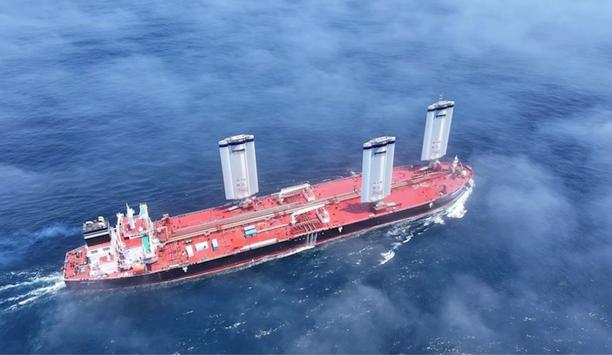
The world’s first Aframax oil tanker to use wind-assisted propulsion has been built in China, with AkzoNobel making an important contribution to the landmark project by supplying 350,000 litres of International® marine coatings. The Brands Hatch is regarded as a major innovation in sustainable shipping technology and the entire vessel – including the underwater hull, deck and cargo oil tanks – features the company’s high-performance products. They’ll provide comprehensive protection and critical technical assurance for the tanker’s eco-efficient operation. Intelligent fibreglass sails Built by Shanghai Waigaoqiao Shipbuilding Co., Ltd., it has three intelligent fibreglass sails which are projected to reduce fuel consumption by around 12% a year and slash annual carbon emissions by 5,000 tons under normal operating conditions. “We’re very proud to have contributed to this landmark project,” says Rob Leslie, Commercial Director of Marine and Protective Coatings for AkzoNobel Greater China. “The successful application of our coatings not only validates the performance of our International® fouling control and anti-corrosive technologies, but also demonstrates the company’s commitment to enabling decarbonisation through sustainable innovation.” Linear polishing technology Advanced coating delivers consistent and effective performance for a clean, foul-free hull The products used included Intercept® 8500 LPP – one of the highest-performing fouling control technologies in the International® range – which was applied to the vessel’s underwater hull. This advanced coating delivers consistent and effective performance for a clean, foul-free hull. By combining linear polishing technology with an optimised biocide package, the coating contributes to significant fuel savings and reduced CO₂ emissions. Ultra-deep-sea drilling vessel Built for UK shipping company Union Maritime, the Brands Hatch is an Aframax ship, a type of oil tanker with a capacity between 80,000 and 120,000 deadweight tons. They’re primarily used for short to medium-haul crude oil transportation. It's the third milestone vessel built in China to be coated by AkzoNobel in recent years. The company also supplied more than 300,000 litres of International marine coatings for Dream – the country’s first domestically designed and built ultra deep-sea drilling vessel – while Intersmooth® fouling control technology was used on Adora Magic City, the first large cruise ship to be constructed in China.

Höegh Autoliners has revolutionised maritime transport with its Aurora Class vessels, marking significant progress toward sustainable deep-sea shipping. These Pure Car and Truck Carriers (PCTCs) are designed to be the largest and most environmentally friendly in their class. Notably, the final four ships in this 12-vessel series are set to operate on sustainable ammonia, a zero-carbon fuel, upon their delivery in 2027. Aurora Class vessels Aurora Class vessels are initially running on LNG with the flexibility to transition to ammonia and methanol The Aurora Class vessels are initially running on liquefied natural gas (LNG) with the flexibility to transition to ammonia and methanol as these fuels become more accessible. This adaptability is emphasised by the ships’ receipt of DNV’s ammonia- and methanol-ready notations, a first in the PCTC segment. The final four vessels will feature MAN Energy Solutions’ two-stroke engines capable of being fuelled by ammonia, positioning them as pioneers in zero-GHG emission maritime transport. TGE Marine’s expertise A key enabler of this technological leap is TGE Marine, whose advanced tank designs and fuel gas handling solutions are at the core of the vessels’ ammonia propulsion capabilities. TGE Marine’s expertise in designing and engineering maritime gas systems has made them a global pioneer in gas containment and fuel supply technologies. Their tanks are specifically developed to safely store ammonia in maritime conditions, while their fuel gas systems are among the most advanced in the industry ensuring reliable fuel management, safe operations, and seamless engine integration. These solutions exceed the stringent safety and performance standards required for ammonia as a marine fuel. New ammonia fuel supply system TGE Marine has already supplied tanks and fuel gas systems to the first eight Aurora class vessels TGE Marine has already supplied tanks and fuel gas systems to the first eight Aurora class vessels, and within the final four vessels, the fuel supply system is intended to handle ammonia fuel which allow for the vessels to be an engineering front runner in the industry. The new ammonia fuel supply system comes among others with a reliquefaction system, a gas combustion unit (GCU) and an ammonia release and mitigation systems (ARMS). Aspects of TGE Marine’s contribution The following expands on the specific aspects of TGE Marine’s contribution to the vessels: Fuel Supply System: The fuel supply system is streamlined to support the main engine operation in an optimum manner allowing a reliable and stable operation with ammonia as fuel. The design of the system is addressing the demand to increase ammonia integrity and to allow safe operation incl. maintenance. Key design features are the utilisation of sealless pumps, high integrity equipment and automation resp. remote operation. Boil-off Gas (BOG) Treatment: The heat ingress into the ammonia storage tank will lead to evapouration of ammonia. To keep the tank pressure within allowable limit the vapour, the BOG, is routed from the type-c tank’s vapour space to the BOG Treatment System. The BOG Treatment system consists of two fully independent methods to manage the tank pressure, i.e., the Reliquefaction System and the Gas Combustion Unit (GCU). Reliquefaction System: Onboard reliquefaction systems are engineered to recondense the ammonia vapour that results from heat ingress into the storage tanks and system operation. Gas Combustion Unit: As with all systems, TGE Marine also ensure that in an unlikely event that the reliquefaction system would fail, a secondary ‘back up’ system would kick in. The method chosen for this set up a gas combustion unit (GCU). This method burns the boil off gas, and this allows the tank temperature and tank pressure to remain within the limits. The gas combustion unit can support also the treatment of nitrogen ammonia mixtures and non-standard operations, such as gas-freeing of systems for maintenance preventing the release of ammonia to the atmosphere. Safety Systems: Key for operating a vessel with ammonia as fuel is the safe operation taking the toxicity of ammonia into consideration. TGE Marine has implemented safety systems and measures into the design of the system. Risk assessments accompany the design and execution of the project at every stage. Ammonia recovery: A key element of the safe operation is the handling of potential operational and emergency releases originating from the fuel supply system and engine purge operations. For this purpose, an ammonia recovery system is applied to reduce the ammonia quantities being routed to the ammonia release mitigation system. Ammonia Release Mitigation System: The ammonia release mitigation system developed by TGE Marine, is reducing the ammonia quantity released to the atmosphere and ensures that ammonia concentrations are below health and safety limits. Primary benefits of configuration To underline the benefits of the system, these following can be listed as primary benefits of using such configuration: Fuel Efficiency: By applying an efficient ammonia fuel supply system and ammonia engine Environmental Compliance: Minimising emissions of ammonia gas into the atmosphere reduces the vessel’s environmental footprint and helps comply with stringent emissions regulations Safety and Stability: The system ensures stable operation, reducing the risk to personnel and enhancing onboard safety Operational Flexibility: This technology supports extended voyages without fuel losses and allows better management of varying fuel demands during different operational profiles New standard for sustainability in maritime transport Beyond propulsion, the Aurora Class vessels incorporate several eco-friendly features, some include 1,500 square metres of solar panels and the capability to connect to electric shore power, enabling emissions-free port operations. With these advancements, Höegh Autoliners, together with key partners like TGE Marine, is not only reducing its carbon footprint but also setting a new standard for sustainability in maritime transport, steering the industry toward a greener future.
Team Electric rose to some special challenges in its successful completion of electrical installation and refit work during Royal Caribbean’s recent high profile drydocking and ‘amplification’ of Allure of the Seas. Despite heavy weather, tight deadlines, and complex coordination across multiple contractors and workstreams, Team Electric showcased its hallmark adaptability and technical expertise to deliver the full scope of work on schedule. Three turnkey suppliers With a total workforce of 60 skilled electricians on site, Team Electric was engaged separately by three turnkey suppliers — Almaco, Makinen, and LMG — to execute electrical works across hotel areas, galleys, and public spaces on board the cruise ship. The project marked a return to familiar territory for Team Electric, which was also involved in the original construction of Allure of the Seas in Turku Shipyard in 2009. Project highlights Team Electric delivered full electrical works for the new Mason Jar restaurant and bar Achievements included the installation of 121 kilometres of electrical cabling and 4,500 metres of cable trays, across a project involving key technical areas as well as substantial hotel work. Among tasks that extended to 600 individual material line items, Team Electric fitted nearly 2,000 lights. The company’s hotel-side scope covered 61 new cabins on decks 11, 12, and 14 that were built within a prefabricated aluminium block and craned onto the ship. These new spaces included corridors, AC rooms, and associated technical infrastructure. In addition, Team Electric delivered full electrical works for the new Mason Jar restaurant and bar, as well as several refurbished galley spaces and three public areas including a Crown Lounge and a teens’ gaming zone. On the technical side, Team Electric upgraded a substantial portion of the ship’s navigation and communication systems, including the full cabling of the bridge with 9 kilometres of new wiring. A turnkey delivery of Fugro’s OceanStar system included not just cabling but also installation, commissioning, and user training, led by certified Team Electric engineers. Rising to the challenge “The weather was brutal. 30 days of torrential rain in a 40-day dry dock,” said Daniel Brown, Project Manager at Team Electric. “It had a knock-on effect on every trade, but we managed to push through and keep the program on track.” Meticulous planning and on-the-ground flexibility, Team Electric met all critical deadlines High winds frequently delayed crane operations and other key activities. Yet, through meticulous planning and on-the-ground flexibility, Team Electric met all critical deadlines. The project’s compressed dry dock period presented a further challenge. As Caj Persson, Technical Project Lead, explained: “They cut the dry dock time compared to the sister vessel Oasis of the Seas by over 10 days. That meant everything had to be done faster, with no compromise on quality.” Reliability pays Team Electric’s proven reputation in cruise ship refits was a key factor in securing the contract. “We’re well known in the industry for delivering complex and multi-faceted electrical refits, especially cabins and public areas,” said Daniel Brown. “We’re not always the cheapest, but clients know we get the job done on time and to the highest standards.” Fourth contractor with no onboard electrical team asked Team Electric to step in and support their work That reliability also paid off during the refit, when a fourth contractor with no onboard electrical team asked Team Electric to step in and support their work, sparking another relationship that is set to continue beyond this project. The working relationship with Royal Caribbean also proved crucial. “We know the fleet, we’ve been with them since these keels were laid,” said Persson. “That familiarity, and our long-standing relationship with partners like Foreship, made the coordination smoother, even under pressure.” Integrated installation Unlike newbuilds, refits present constantly shifting priorities and constraints. As Daniel Brown explained: “In public areas especially, we can’t even install light fittings until the ceiling is in. It takes extreme coordination. Every task affects the next.” From cabin design to bridge cabling, and from substations to galleys, the Allure of the Seas project exemplifies Team Electric’s full-spectrum capabilities. By blending technical know-how with practical execution, the company once again proved why it's the preferred electrical partner for cruise ship refits worldwide.
Bennett Marine, a Division of Yamaha Marine Systems Company, needed a solution that integrated solar energy generation and mechanical upgrades to optimise both sustainability and working environment outcomes. However, adding the cooling capacity needed by a large warehouse, and the employees working there, during the long Floridian summers could significantly increase the utility load on the building. Solution Bennett Marine’s management approached its outsourced service provider, ABM. Having successfully completed two lighting upgrades on site, and acting as the current janitorial service provider, ABM took Bennet Marine’s request to its Infrastructure Solutions team. ABM’s Infrastructure Solutions designed an energy-efficient HVAC system supported by a rooftop solar PV array that offset utility costs with renewable energy, leading to a net 58% reduction in total utility usage for the building. ABM also assisted in securing tax credits and energy incentives for the project, as well as a new roof for the facility with additional building envelope improvements. Finding a better solution for the client ABM provides a consultative approach to help clients achieve sustainability goals, enable capital improvements" “Service experts across our company worked together to solve a need and deliver the sustainability solution Bennett Marine needed,” said Mark Hawkinson, President of ABM Technical Solutions. He adds, “ABM provides a consultative approach to help clients achieve sustainability goals, enable capital improvements, improve indoor air quality, address waste and inefficiency, and create a positive impact for communities.” In addition to the new roof, net energy offset, and improved cooling, ABM was able to assist the project in receiving an estimated $226,000 in tax credits and $224,000 in Energy Incentives through the Federal MACRS (Modified Accelerated Cost Recovery System). Benefits ABM’s Infrastructure Solutions enable businesses to invest in critical infrastructure needs and achieve sustainability, security, and resilience goals. A custom energy program drives costs out of operating budgets and redirects savings to critical needs, helping fund improvements. Highlights of the project for the Deerfield, Florida, warehouse include: Projected energy cost savings in the first year of $12,701 Replacement of ageing roof and speed roll doors to reduce energy loss Solar panel installation is capable of offsetting 66% of the building’s utility use

Korea Marine Transport Company Ship Management (KMTC SM) has reported annual fuel savings worth approximately US$540,000 in total after installing Accelleron’s digital engine optimisation solution Tekomar XPERT on 12 Panamax vessels. The fuel savings enabled KMTC SM to reduce its CO2 emissions by about 4,200 tons. Tekomar XPERT delivers engine optimisation recommendations based on thermodynamic insights that aim to bring engines back to the operating performance achieved at “new” conditions. The solution can be applied to any engine and turbocharger make. KMTC SM followed the advisory from Tekomar XPERT, tracked engine performance and benchmarked engines and vessels through Tekomar XPERT’s web portal (Loreka). Carbon Intensity Indicator (CII) ratings The reduced emissions will translate to better CII ratings and lower exposure to carbon pricing KMTC Ship Management General Manager of Environmental Technology, Jin-Seob Lee, said: “Based on the big savings on fuel cost and emission reduction, we aim to install Tekomar XPERT on our remaining 16 self-managed vessels, and will be recommending its installation on 22 other vessels managed by third parties.” Accelleron anticipates that KMTC’s fuel bill will be reduced by around US$1.3 million a year when Tekomar XPERT is deployed across all 50 vessels. The reduced emissions will translate to better Carbon Intensity Indicator (CII) ratings and lower exposure to carbon pricing, including the EU Emissions Trading System, which will apply to shipping from 2024. KMTC SM’s own measurements KMTC SM was able to track improvements in performance thanks to intuitive indicators and actionable insight from Tekomar XPERT. The reduced fuel consumption at the end of the 12-month period highlighted a significant increase in vessel performance over the year. This was verified by KMTC SM’s own measurements. Accelleron Global Head of Sales & Operations, Shailesh Shirsekar, said: “Efficient engines are one of the keys to reducing fuel costs, emissions and carbon price exposure, enabling optimisation without impact on vessel operation. With simple guidance from Tekomar XPERT, ship operators can ensure that the engines are running at their very best, laying the foundation for lower lifecycle costs as well as regulatory compliance.”

Båtbygg AS has placed an order with Teknotherm for a complete ammonia freezing system for Austral Fisheries’ new longline fishing vessel. The vessel is designed by Marin Teknikk AS for operation in the Antarctic Ocean, surrounded by some of the world’s harshest weather conditions. Teknotherm freezing system The newbuild no. 009 and named ‘Austral Odyssey’ will have a length of 70 metres The newbuild no. 009 and named ‘Austral Odyssey’ will have a length of 70 metres and a breadth of 14.6 metres. Delivery of the ship will be in December 2025. Freezing-in of products will be by blast freezers and plate freezers, all served by the ammonia freezing machinery, which will also keep the storage hold and bait hold at low temperature. Austral Fisheries Austral Fisheries owns and operates one of Australia’s largest fleets of fishing vessels. The fleet consists of 18 vessels with different areas of operation and catch, from toothfish in the south to prawns and tropical reef fish in the north. Austral Fisheries took delivery of the fishing vessel MS ‘Cape Arkona’ from Båtbygg AS in 2020, which also features a complete freezing system from Teknotherm, and they are proud to once again be chosen as a supplier to Båtbygg and Austral Fisheries.
Round table discussion

Given the diverse stakeholders in the maritime industry, it is understandable that collaboration is a challenge. However, the interconnected ecosystem of maritime makes collaboration essential. From ship owners and operators to port authorities, from shippers to shipbuilders, from classification societies to marine service providers and others, there are vast opportunities to work together and cooperate. To gain insight, we asked our Expert Panel Roundtable: How can the maritime industry increase collaboration, and what are the benefits?

Achieving optimal return on investment (ROI) for a maritime company involves a strategic combination of operational efficiency, revenue enhancement, cost control, careful financial management, attention to sustainability and regulatory compliance, and other factors. Given all the variables in play, profitability can be elusive, but our Expert Panel Roundtable has some ideas. We asked: How can maritime companies maximise return on investment (ROI)?
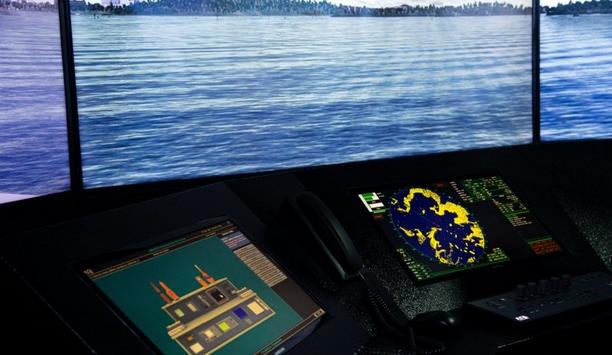
More than almost any trend, decarbonisation is driving the future of maritime. That reality alone makes decarbonisation the perfect topic for our first-ever Expert Panel Roundtable column. Traditional maritime fuels, like heavy fuel oil, release harmful pollutants that contribute to air pollution and have adverse health effects. We have to do better, and discussions in the maritime industry centre on which combination of alternative fuels and other technologies can solve the shorter- and longer-term challenges of decarbonisation. For an update on the various approaches, we asked our Expert Panel Roundtable: What are the latest maritime technology trends in decarbonisation?
Products


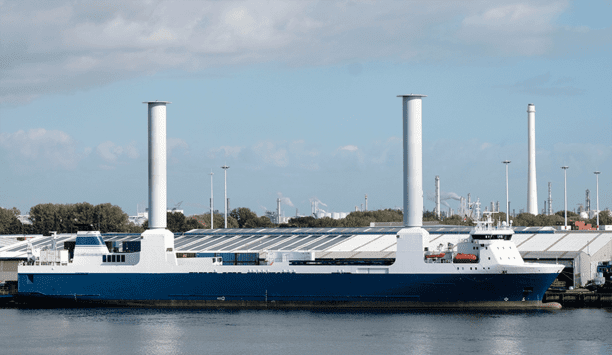
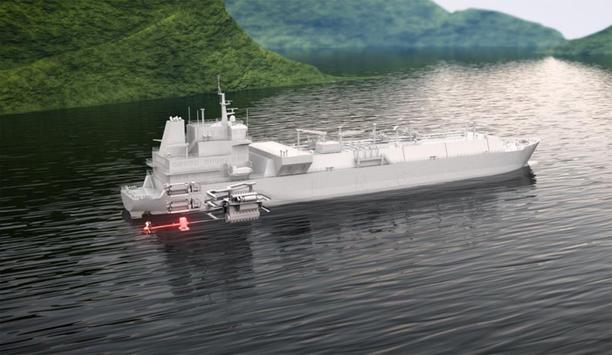
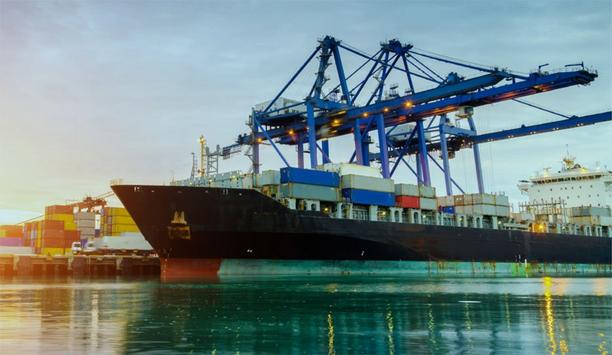
Videos



Energy saving: Manufacturers & Suppliers

Fleet planning as a strategic asset
Download