Harbour insights

As a crucial element in the maritime sphere, insurance is almost as basic as sea water. It has also been around almost as long, with concepts of insurance dating back to Hammurabi law in ancient Babylon. The first formal marine insurance policy still recognisable now was from 1350. Lloyd’s Coffee House was the first insurance market, in the late 1680s, evolving eventually into the world’s largest insurance marketplace. Looking to the future, insurance in the maritime sector is pois...
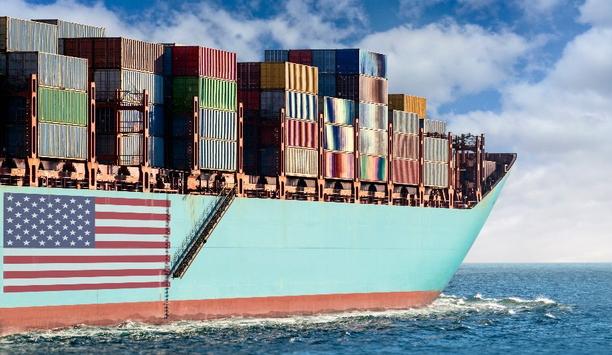
The Jones Act, also known as the Merchant Marine Act of 1920, has been in the news recently, both as an element in the supply chain muddle and related to the U.S. ban on Russian oil and gas. The Jones Act requires that ships operating between ports in the United States of America be constructed in the U.S., fly the U.S. flag, be owned by U.S. citizens, and be crewed only by U.S. citizens and U.S. permanent residents. The Jones Act The law was introduced by Senator Wesley Jones (R-Wash.) and be...

Pollution from microplastics poses a threat to the marine environment and synthetic ropes used by maritime vessels are a source of the contamination. Research is ongoing into the specific impact of pollution. Meanwhile, the development of biodegradable fishing gear is one solution, but greater awareness is needed to tackle the problem holistically. The impact of ropes on the ocean The University of Plymouth’s International Marine Litter Research Unit is studying the impact of ropes on ma...

Green shipping corridors are a shortcut path to achieving zero-emissions shipping. The strategy of focusing green initiatives on a limited number of routes between major port hubs will lower obstacles and costs as the industry transitions to more environmentally friendly shipping. The goal is to create specific trade routes where zero-emission solutions are demonstrated and supported. Green initiatives Targeting certain shipping corridors for environmental efforts allows policymakers to create...

For most of maritime history, wind power drove vessels all over the world; that is until steam and other forms of propulsion came on the scene in the mid-1800s. Now in the 21st century, given a renewed interest in preserving the environment and lowering costs, wind power is on the verge of making a comeback. The latest technologies, including big data and computer simulations, are helping to drive a renewed interest in maritime vessels propelled by wind, with a 90% reduction in the use of fossi...

The maritime industry is not covered by the Paris climate agreement, which seeks to limit global warming to well below 2 degrees Celsius compared to pre-industrial levels. However, carbon emissions from maritime activities account for 2 to 3% of total global warming potential (GWP) worldwide, and the share is likely to increase in coming years, approaching 17% of CO2 emissions by 2050. The International Maritime Organisation (IMO) and its Marine Environment Protection Committee (MEPC) is tasked...

Backlogged ports, a shortage of shipping containers and not enough workers are among the factors contributing to supply chain disruptions that have led to shortages of various goods and are likely to impact availability of merchandise, during the upcoming holiday season. Demand is growing rapidly as the impacts of the COVID-19 global pandemic have diminished. However, lingering consequences of the pandemic are continuing to impact the container shipping market. With each element in the system t...

If the ocean were a national economy, it would be the seventh largest in the world. Contributions of the oceans to energy production, transport and sustainable food production are essential to the global economy. In the global ‘blue economy,’ environmental protection and economic growth are intrinsically linked, especially in the maritime industry. The European Union has detailed a realistic agenda for the blue economy to play a major role to achieve the objectives of the European...

Shipment of goods around the world has continued throughout COVID-19, but the pandemic has afforded unprecedented challenges to the maritime industry. When the pandemic necessitated health restrictions and limited international travel, the impact on crew change practices was monumental. More than a million seafarers work in demanding conditions to support 80% of world trade. Crews were trapped on board vessels for months and months, unable to return home and extending their tours of duty indefi...
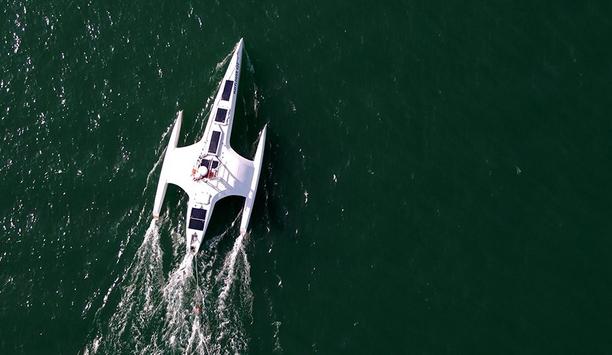
The Mayflower departed from Plymouth, United Kingdom, this June with the intent of retracing the route of its famous historical namesake. The difference is that, in the case of the modern Mayflower, there was nobody on board the vessel, which operates autonomously. The vessel is able to assess the current environment, identify and avoid hazards, and maintain situational awareness using the ship’s edge computing technology. The Mayflower Autonomous Ship (MAS400) is a project of the marine...
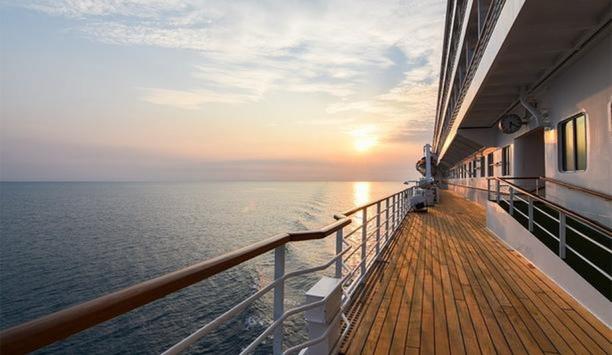
The cruise ship industry has cracked the code on keeping passengers and crew safe from the coronavirus (COVID-19) spread, including changes to on-board HVAC systems, to use more outside air and to filter out particles as small as the novel coronavirus. The industry, which voluntarily suspended worldwide operations at the beginning of the COVID-19 pandemic, under the guidance of international and national health authorities, plans to resume worldwide operations fully later in 2021. Health proto...
Related videos


Logistics: A key driver of wind energy growth

"Our Ocean, Our Obligation, Our Opportunity"

Loading Jumbo bags
Expert commentary

- Fouling control technologies are even more important for vessel operators following recent IMO MEPC 83 session
- Open source intelligence for maritime surveillance: Safeguarding the global shipping industry
- S-100: Charting a sustainable course for maritime's digital future
- Staying afloat in the sea of compliance: How to navigate the MEPC 82 ballast water record-keeping updates

Fleet planning as a strategic asset
Download