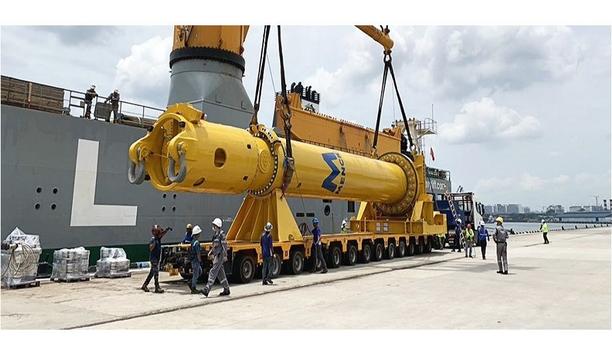
Bulk and break bulk are two terms that can be used incorrectly and interchangeably in the course of the day-to-day business.
There are distinctive differences between bulk and break bulk in terms of cargo, nature, size, capacity, handling, trade, customers, ports, terminals, equipment, and infrastructure. In the article, TGI Cargo goes over the differences between bulk and break bulk shipping.
What does bulk goods mean in shipping?
The ships that carry bulk cargo such as these are known as bulkers, ore carriers, or bulk carriers
Bulk refers to trades where dry cargo such as Phosphate, Alumina, Coal, Grain, and Iron ore are carried in loose form. This means that the cargo is not packed in boxes or on pallets and is loaded directly on the hold of a ship.
The ships that carry bulk cargo such as these are known as bulkers, ore carriers, or bulk carriers and can be grouped based on their Deadweight (DWT).
DWT
The DWT refers to the weight that a ship can comfortably and safely carry, this includes the weight of the fuel, stores, crew, water, ballast, and so on. If the total weight goes over the DWT certified by the ship manufacturer, then the ship is in danger of incurring damage or even sinking.
Bulk carriers can have different cargo holds under a single deck. This is so that cargo may be loaded and carried as a single shipment with cargo in all holds for one customer, or multiple shipments with different cargo in separate holds for more than one customer.
Break bulk
The term break bulk is used where the cargo is carried in a unitised form such as crated, drummed, strapped, bagged and palletised or non-unitised general cargo such as vehicles or steel for example.
The ships that carry break bulk cargoes are known as general cargo, multi-purpose, or break bulk vessels. They come in varying sizes and types such as Single Decker, Tween Decker and Box Holds.
Loading cargo
Cargo can be loaded under the deck, on the deck, or between decks (this is known as tween deck) where the ship has a mid-deck structure. TGI Cargo finds break bulk cargo to be one of the most interesting shipping options because it can use break bulk vessels to carry power stations or even yachts.